
DIY Isn’t Dead
A short crash course on trying to make it in the industry (the xpsr way)
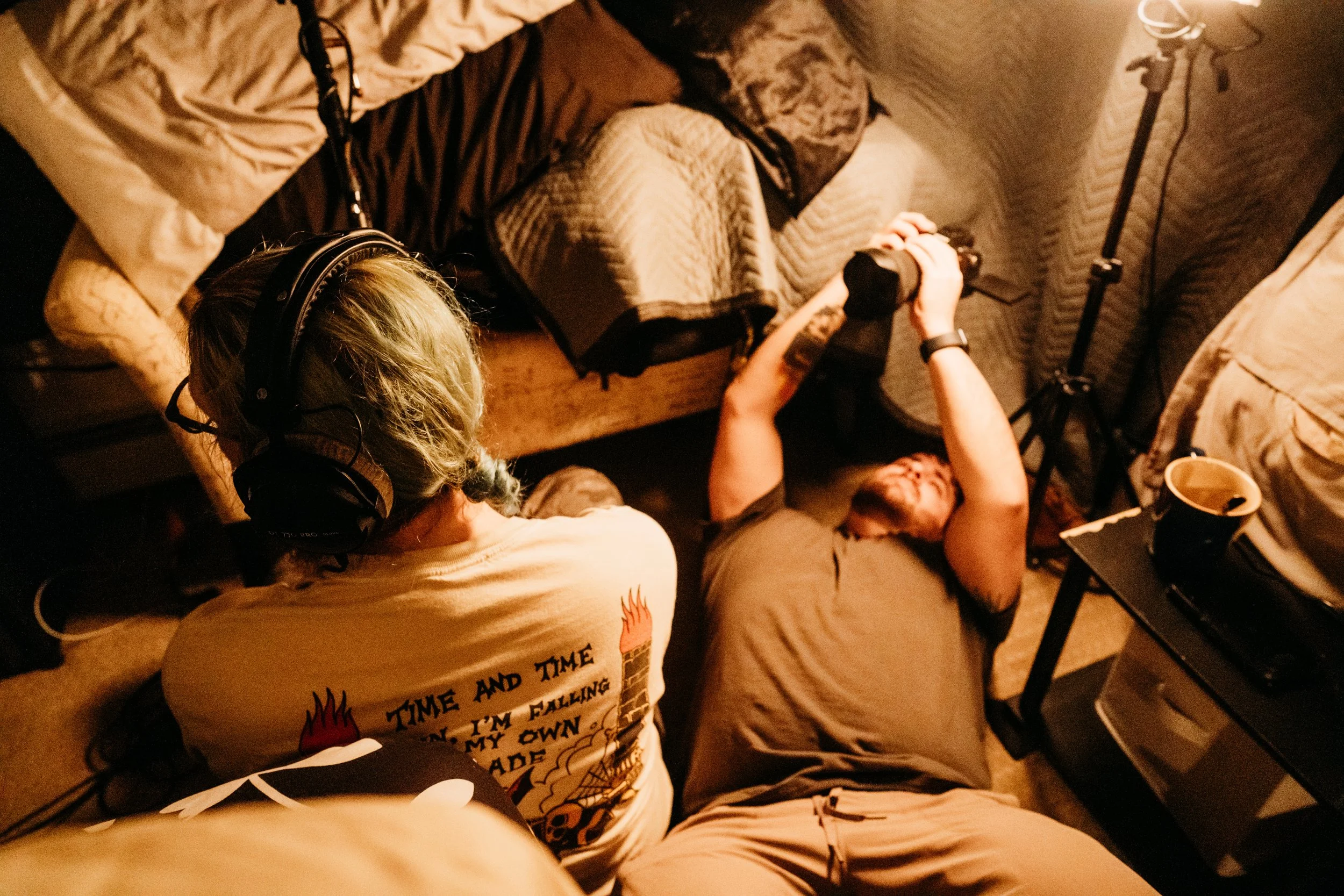
Something’s shifting in music right now. It isn’t happening in boardrooms or marketing agencies. It’s happening in bedrooms, basements, and garages, where real people are making real music, taking risks, and betting on themselves. It’s people setting up their cheap cellphones to record TikToks or using free DAWs to record their music. If you’re reading this, you’re probably one of those people, or you want to be.
You’re not waiting for someone else to decide if you’re worthy or if your art has merit. You’ve decided for yourself that YOU ARE and IT DOES.
And if we’re aligning this with the ethos behind XPSR, a platform rooted in thoughtful content, community-driven growth, and meaningful digital presence, then DIY isn’t just a good strategy. It’s a philosophy.
This isn’t just about “making it.” It’s about building something that lasts, something that at the end of the day you can feel proud of.
The DIY Mindset
DIY music isn’t just about doing everything yourself; it’s about truly owning your process, your wins, and your mistakes. It means every step, the good or bad, is yours. That’s scary, but it’s also deeply empowering.
For decades, artists were told that the only way to "make it" was to be discovered by the right person at the right time. But that’s just not the reality anymore. Today, you get to build your own ecosystem from the ground up:
You’re your own label, making decisions about your releases and your catalog.
You’re your own marketing team, figuring out how to connect with people in a way that feels genuine.
You’re your own distribution network, choosing how your music shows up in the world.
You’re your own brand, which means you get to decide how you show up. Not just on the internet, but in real life too.
And I know sometimes that can feel absolutely overwhelming. It’s easy to feel like you’re supposed to be everywhere, doing everything, all at once. But there’s a flip side: a kind of freedom you just can’t get in the old system.
Freedom to create without compromise. To experiment, to fail, to pivot, and to grow, all on your terms.
Freedom to release whatever you want, whenever you want, with no middlemen telling you what’s “marketable.”
Freedom to define success for yourself, instead of chasing someone else’s definition of it.
When you embrace the DIY mindset, you’re not just making music, you’re building a life and a legacy that’s truly yours.
Step 1: Build Your Sound Before Your Brand
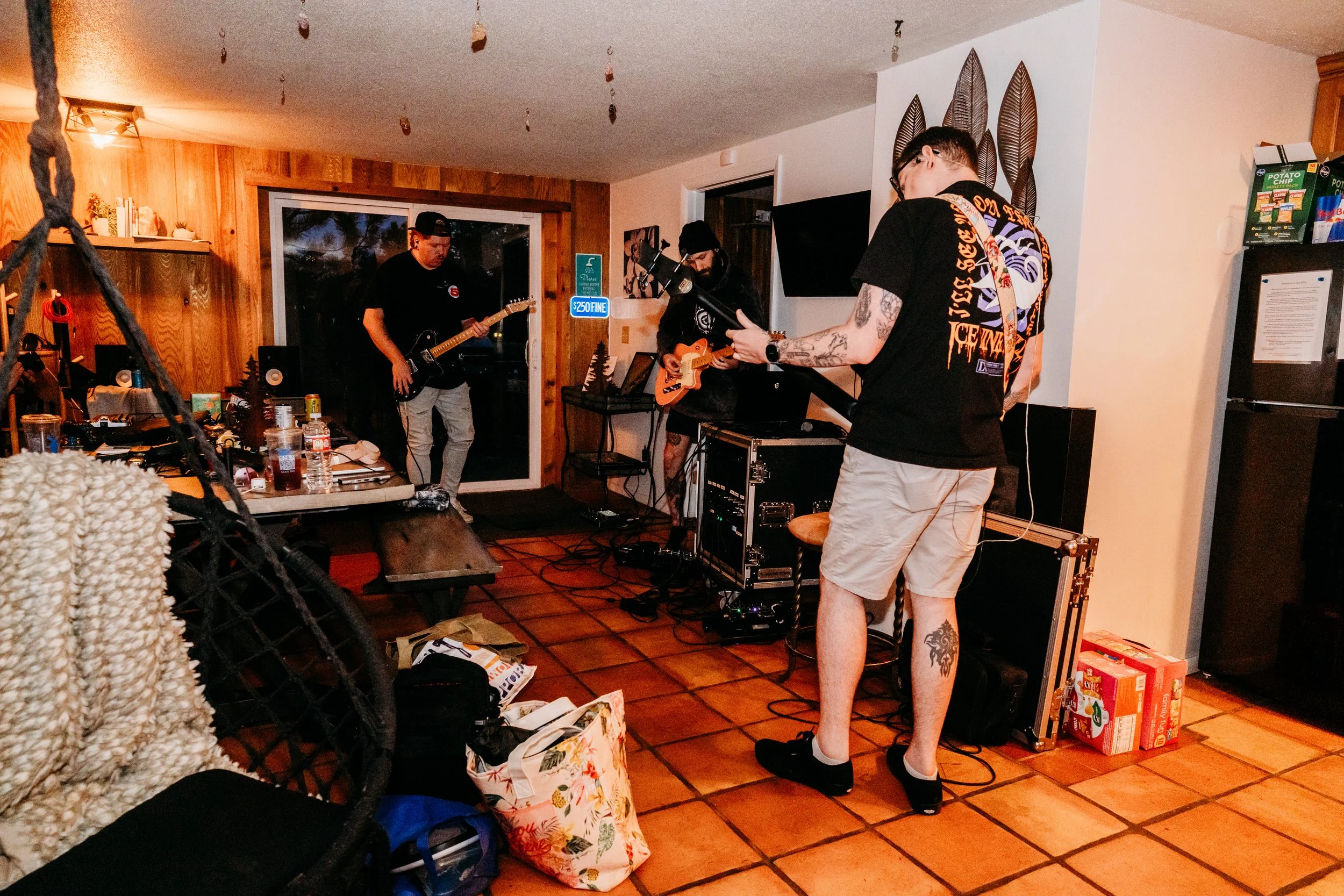
Before you dive into logos, Instagram aesthetics, or TikTok strategy, zero in on your songs. At the end of the day, would you honestly want to listen to your track twice? Would your friends, would complete strangers? Be brutally honest with yourself.
Your music is the foundation. No amount of clever marketing or viral content can cover up weak songwriting or inconsistent production. Start by getting feedback: share early demos with trusted friends, mentors, or even online communities. Ask what sticks with them and what doesn’t.
You don’t need fancy gear or a big budget. Some of the best music today is made with basic setups! What matters is intention and attention to detail. Try different writing or production approaches until you find what feels most you. Notice which sounds, lyrics, and moods you return to again and again.
Here’s what to focus on:
Clarity of vision: What are you really trying to say or make people feel?
Consistency of style: Are there sonic or lyrical threads running through your tracks that make them feel like they belong together?
Emotional authenticity: Does your music sound like you mean it?
Consider your sound your “core code.” Everything else: visuals, content, audience, that runs on top of it. Once you have this foundation, building your brand and sharing your story becomes natural, not forced.
Step 2: Treat Content Like Oxygen
Let’s be brutally honest. In today’s industry, content isn’t optional; it’s survival. But that doesn’t mean you have to post nonstop or turn yourself into a marketing machine. It’s about creating moments and stories that people can latch onto, in a way that feels true to you.
You’re not just releasing songs anymore. You’re telling a story across platforms: Instagram, TikTok, YouTube, Twitter, your website, even your email list. Each platform is a different window into your world. Use them intentionally:
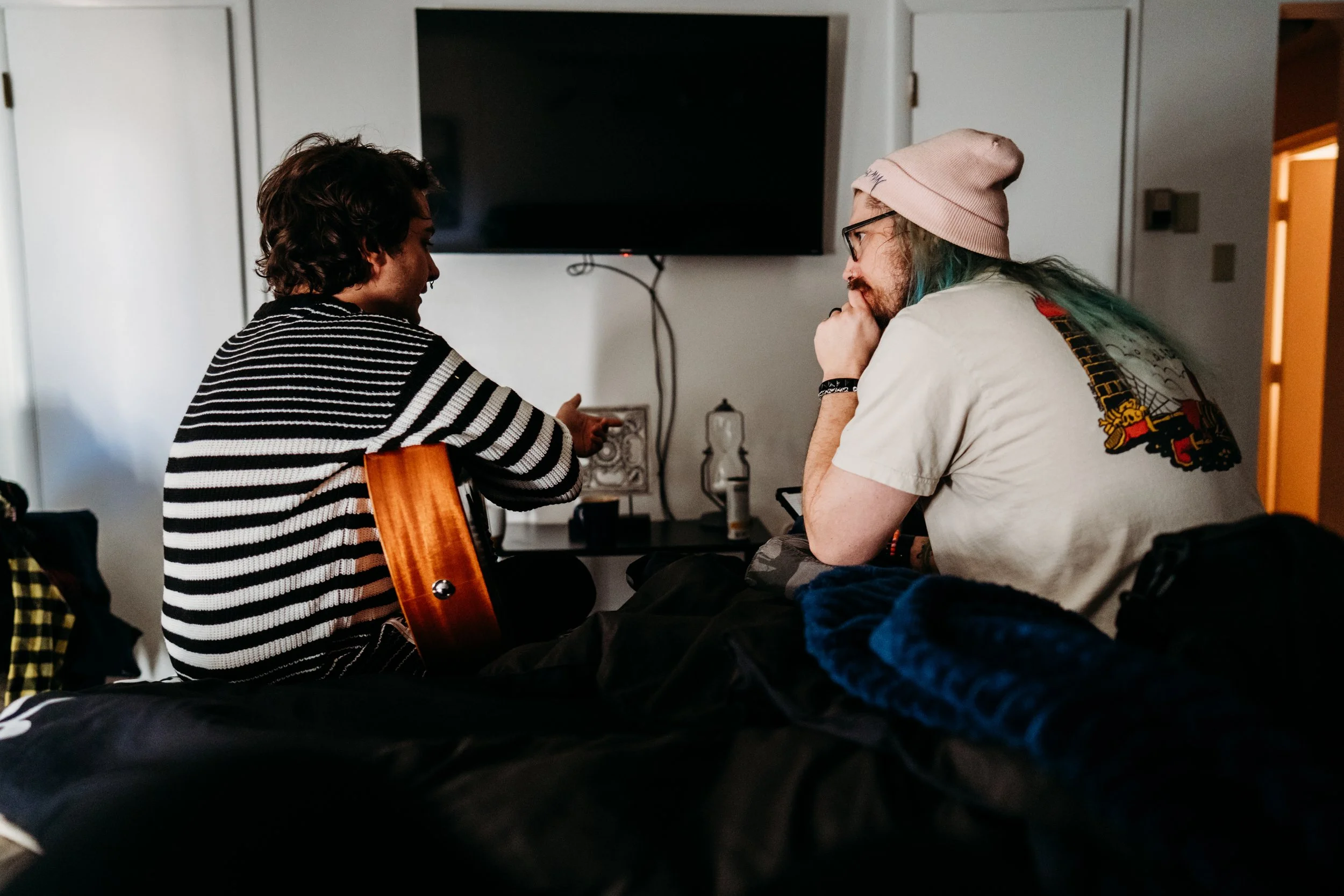
Show behind-the-scenes glimpses of your creative process (writing sessions, failed takes, gear setups, lyric notes).
Share snippets of unfinished songs or demos to invite feedback and build anticipation.
Document the journey: talk about your struggles, small wins, and what you’re learning.
Use short-form video to share quick thoughts, song meanings, or what inspires you.
Don’t be afraid to experiment: memes, voice notes, livestreams, or collaborative posts with other artists can all deepen connection.
People don’t just follow music, they follow context. The more honest and real you are, the more people connect. Let your audience see not just the polished product, but the process and the person behind it.
That doesn’t mean you have to overshare or become a “content creator” first. Start with what feels natural. If you’re private, maybe you focus on sharing your artistic process instead of your personal life. If you love talking, try regular Q&As or song breakdowns.
Just be yourself and share your journey as it unfolds, one post, one story, one song at a time.
Step 3: Learn the Business (Even If You Hate It)
Ignoring the business side doesn’t make it go away! It just means someone else will control it. It can feel intimidating, but breaking it down into manageable steps makes it doable, even if you’re not a “business person.”
Here’s how to get started:
Distribution: Learn how to get your music onto major platforms (Spotify, Apple Music, Amazon, etc.) using distributors like DistroKid, TuneCore, or CD Baby. Compare their fees, features, and payout timelines. Read their FAQs before signing up, and keep records of your releases and earnings.
Royalties: Understand the difference between mechanical royalties (earned from sales/streams) and performance royalties (earned from radio, live shows, or if your music is played in public spaces). Register with a Performing Rights Organization (PRO) like ASCAP, BMI, or SESAC in the US to collect performance royalties. For publishing, consider Songtrust or similar services if you’re self-published.
Copyright: Register your songs with the US Copyright Office (or your country’s equivalent) to legally protect your work. Keep all project files, dated drafts, and session notes as proof of creation in case of disputes.
Contracts and Ownership: Before collaborating or working with producers, co-writers, or managers, use simple written agreements! I cannot stress this enough. Even an email laying out who owns what and how revenue is split is better than nothing. If something seems unclear, ask questions or seek advice from artist advocacy groups (like the Future of Music Coalition).
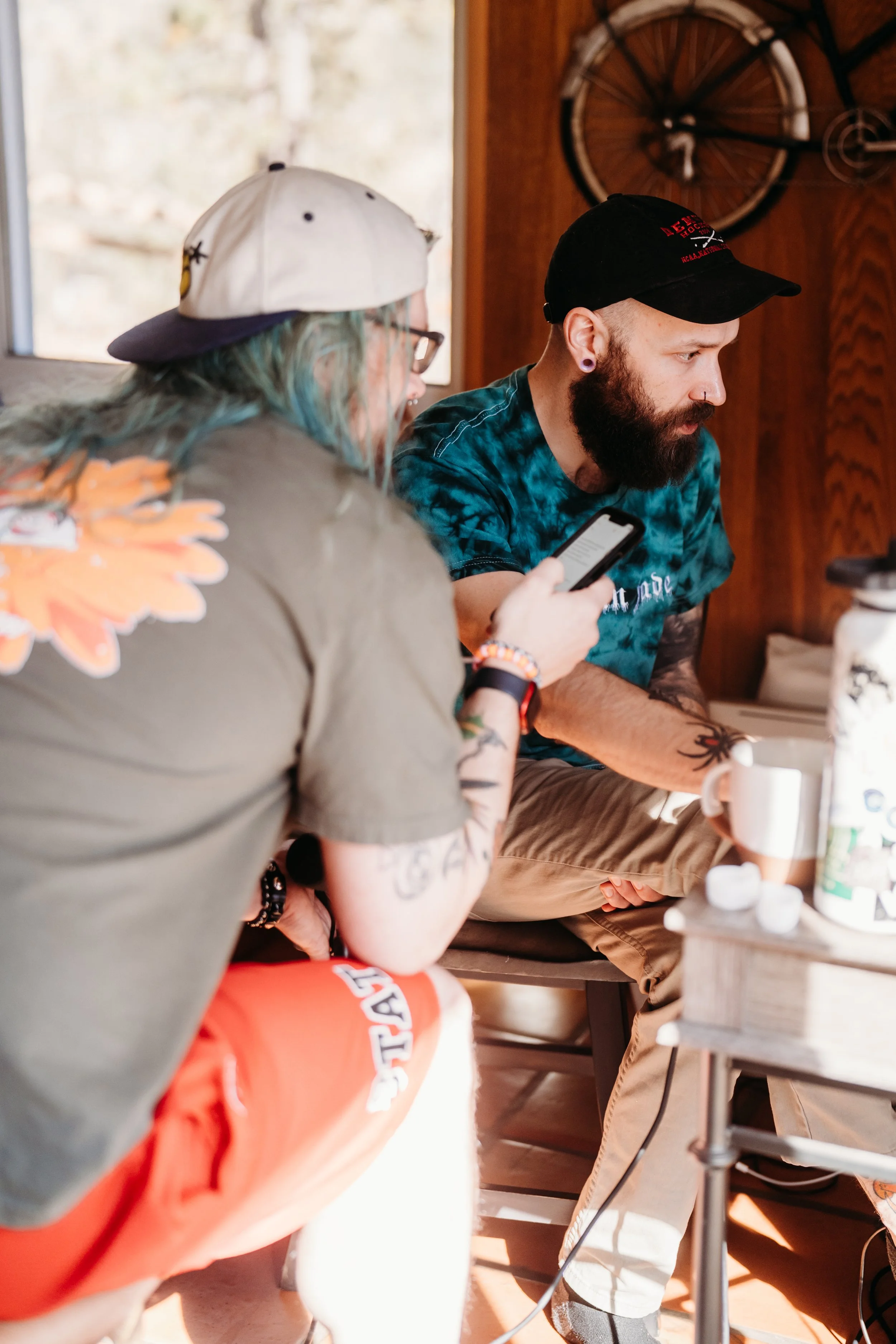
Keep learning: There are free resources and communities online: YouTube channels like Ari’s Take, podcasts like Creative Juice, or websites like DIY Musician. Don’t be afraid to ask for help or guidance; most artists are figuring this out as they go.
You don’t need to be a lawyer. But you do need to make sure nobody takes advantage of you. Empower yourself through knowledge. It’s as much a part of DIY as making the music itself.
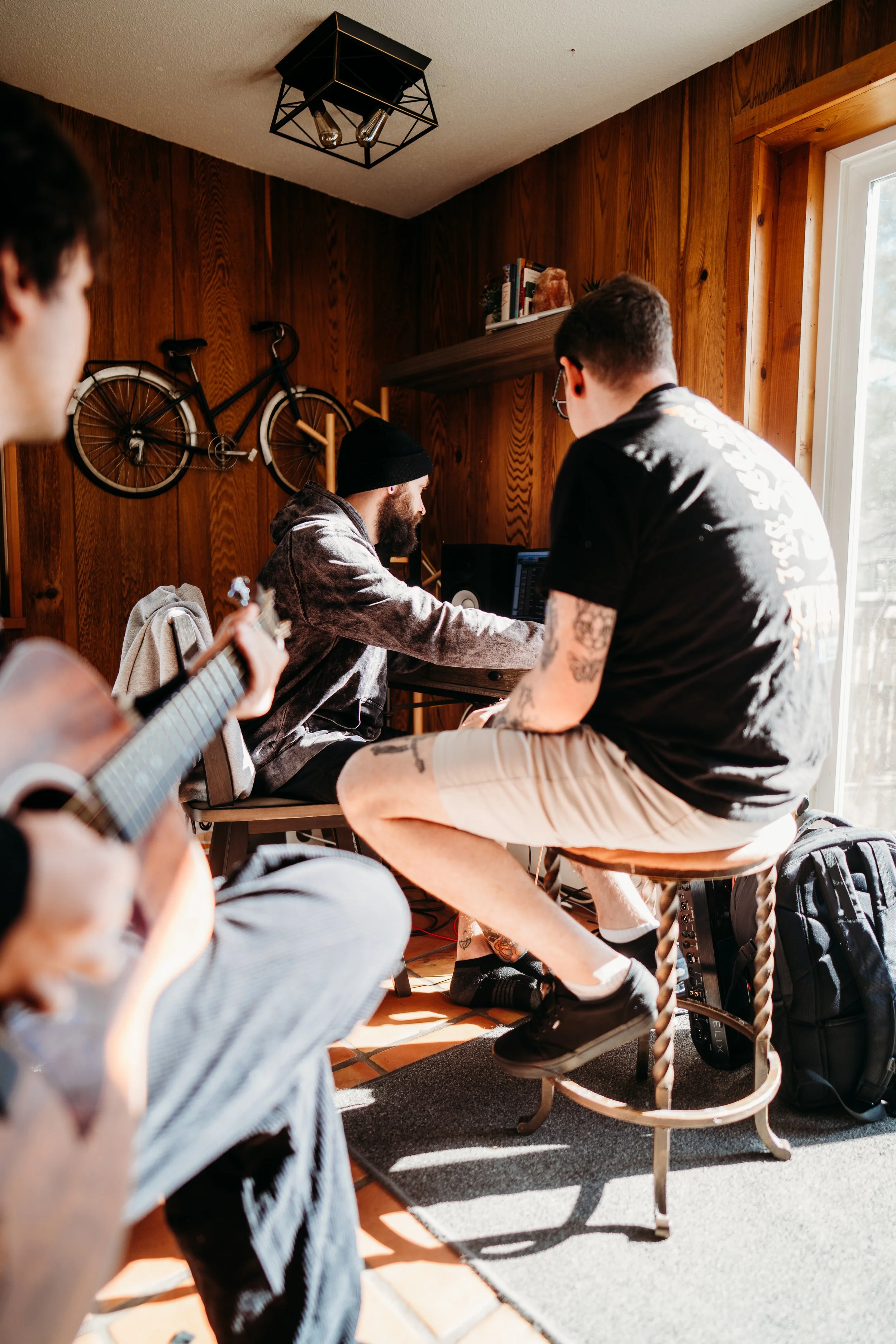
There’s so many more stages of developing yourself as a musician and trying to build something sustainable, but this is at least a start.
Start where you are. Use what you have. Build what you can.
Because no one is coming to “discover” you.
But that’s the point! You don’t need them to! You have everything that you need already.
If you’re wanting more direct advice on how to build up your music, head on over and contact us for more help!
